Should You Seal Your Pavers? Pros, Cons, and Timing
Should you seal your pavers? The pros and cons, finish choices, and best timing after installation or cleaning — plus a free quote.
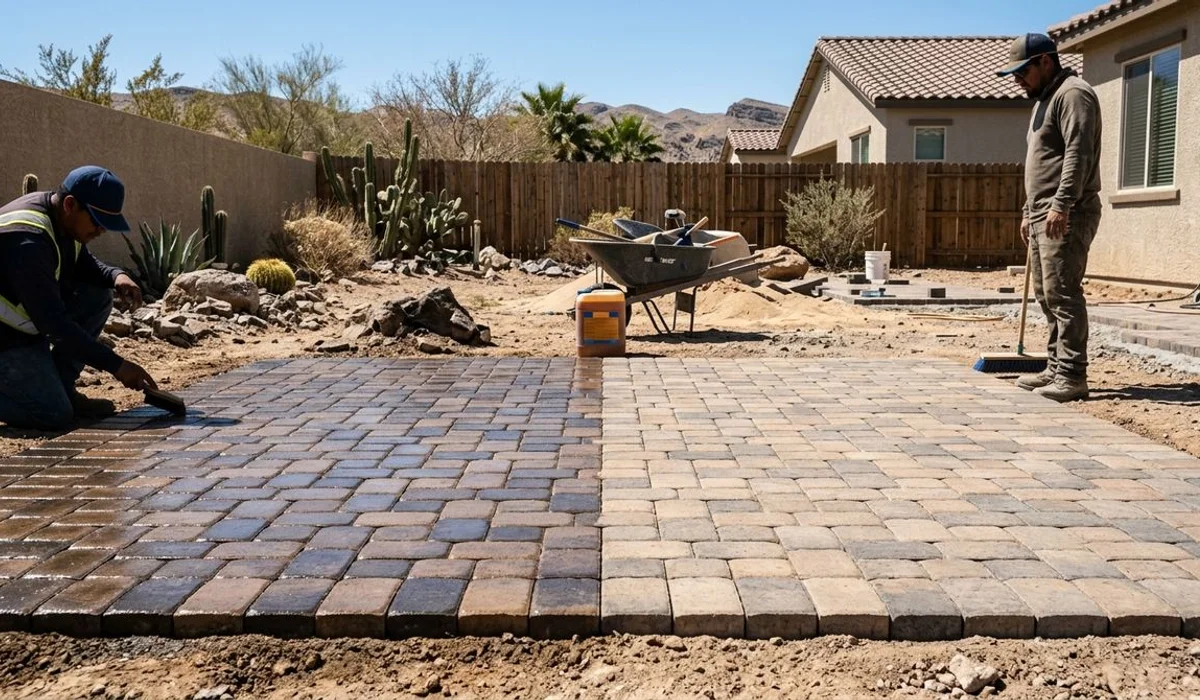
Many property managers wait to protect their concrete surfaces until the stone already looks weathered. We built Pressure Washer Las Vegas to set a new standard for property maintenance in the community. The intense desert sun actually degrades unsealed hardscaping much faster than foot traffic does.
If you are wondering if you should seal pavers, this guide provides the exact answers homeowners and HOA boards need.
Helping the buyer decide and book the right service requires a clear look at local regulations and material science. Here is a look at the real facts and a few practical ways to respond.
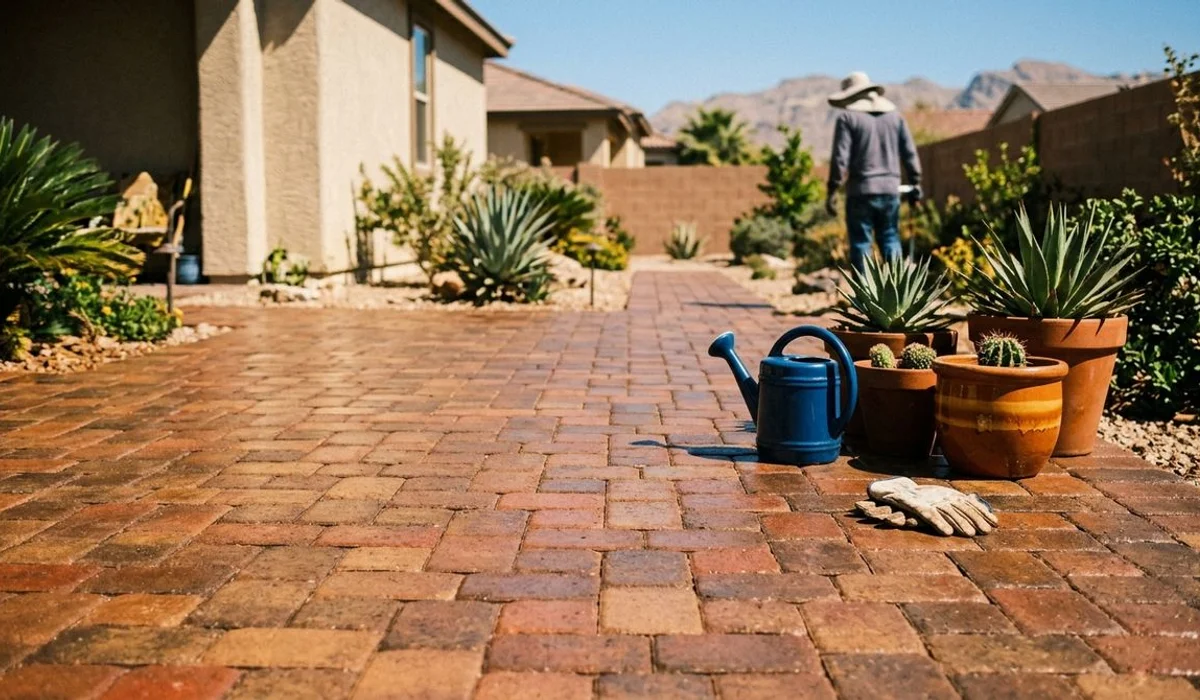
Pros and cons of sealing
The main advantage of sealing is long-term protection against intense UV fading and hard water stains. The paver sealing pros cons usually come down to long-term protection versus strict application compliance. We evaluate three strict criteria before touching any commercial or residential surface in Clark County.
Getting the method right ensures the protective coating actually lasts. High pressure works for durable concrete, while soft washing is necessary for stucco. Our technicians often use specialty chemistry for rust and acid stains.
The schedule also has to fit the property operations. Overnight shifts work best for commercial areas, while daytime hours suit residential HOAs. We adapt our timeline to minimize disruptions for local residents.
Key Factors for Clark County Properties
- Method: Match the pressure strictly to the surface type.
- Schedule: Plan cleaning times around commercial or HOA traffic.
- Compliance: Prevent runoff to avoid $5,000 SNWA fines.
- Protection: Block UV rays and hard water deposits.
The local standard must meet strict environmental rules. Southern Nevada Water Authority (SNWA) regulations prohibit wastewater runoff from leaving your property and entering storm drains. Fines for repeat water waste violations can reach $5,000.
Our cleaning process utilizes commercial vacuum booms to capture dirty water and prevent pollutants from reaching Lake Mead. Proper containment requires specialized equipment that most amateur cleaners lack.
Unsealed pavers absorb oil spills and irrigation mineral deposits almost immediately. We recommend sealing to block these contaminants from penetrating the porous surface, and our guide on how paver sealing protects against desert sun and hard water explains exactly why that barrier matters in this climate.
Finish choices (matte vs wet-look)
Matte finishes preserve the original stone texture and maintain high slip resistance. Wet-look coatings provide deep color enhancement but require precise temperature control during application. We help clients choose the exact visual style that matches their safety requirements and aesthetic goals.
Penetrating sealers create a matte finish that works entirely beneath the surface. This invisible barrier repels water and oil without changing the natural appearance of the stone. Our commercial clients prefer this option for large pool decks where wet foot traffic creates a slipping hazard.
A film-forming acrylic sealer creates the popular wet-look finish. The glossy layer darkens the pavers and makes the colors appear much richer. We often apply this high-gloss option to decorative driveways and main entryways.
Comparing Sealer Finishes
| Feature | Matte (Natural) Finish | Wet-Look (Gloss) Finish |
|---|---|---|
| Visual Result | Preserves original color | Darkens and enriches color |
| Surface Feel | Maintains natural texture | Creates a smooth protective coating |
| Slip Resistance | Excellent for pool decks | Slightly reduced traction |
| Chemistry | Penetrating sealer | Film-forming acrylic |
Temperature plays a massive role in a successful wet-look application. Las Vegas heat causes solvent-based sealers to flash off too quickly if applied during the middle of the day.
The rapid evaporation creates trapped bubbles and a peeling surface. We monitor the concrete surface temperature closely to avoid these costly application failures.
Timing after install/clean; quote CTA
Knowing exactly when to seal pavers prevents permanent white stains from ruining your new driveway. New hardscaping requires a waiting period of 30 to 60 days before you apply a protective coating. We strongly advise against coating a brand-new surface on the exact same day it gets laid down.
Fresh concrete and stone contain water-soluble salts that must escape naturally. This process is called efflorescence. Our crews often see properties where an impatient contractor coated the stone too early.
The trapped salts create a permanent white haze underneath the expensive acrylic layer. Rain and irrigation systems need time to wash those minerals away first. We schedule the initial sealing only after this natural curing phase finishes.
The Ideal Maintenance Timeline
- Day 1 to 30: Allow new installations to breathe and release natural salts.
- Day 60: Perform a gentle wash and apply the initial protective layer.
- Year 2: Inspect high-traffic commercial driveways for fading or wear.
- Year 3: Schedule a routine cleaning and fresh application.
Cleaning the surface properly is the mandatory first step once the waiting period ends. The joints need fresh sand to lock the individual pieces tightly together.
Our specialized equipment cleans the stone without blowing the foundational sand out of the crevices. Resealing an older patio should happen every two to three years based on daily sun exposure.
Bottom Line
Figuring out the proper maintenance schedule does not have to be a frustrating guessing game. Our exterior specialists can evaluate your specific property and recommend the exact method your stone requires.
If you would like a no-pressure walkthrough, simply reach out to schedule a site visit.
You can view our parent service page for full details on the work involved. Homeowners ready to protect their investment can request a free quote to get same-day pricing across Las Vegas, North Las Vegas, Henderson, and Summerlin. We back every single job with a complete money-back guarantee.